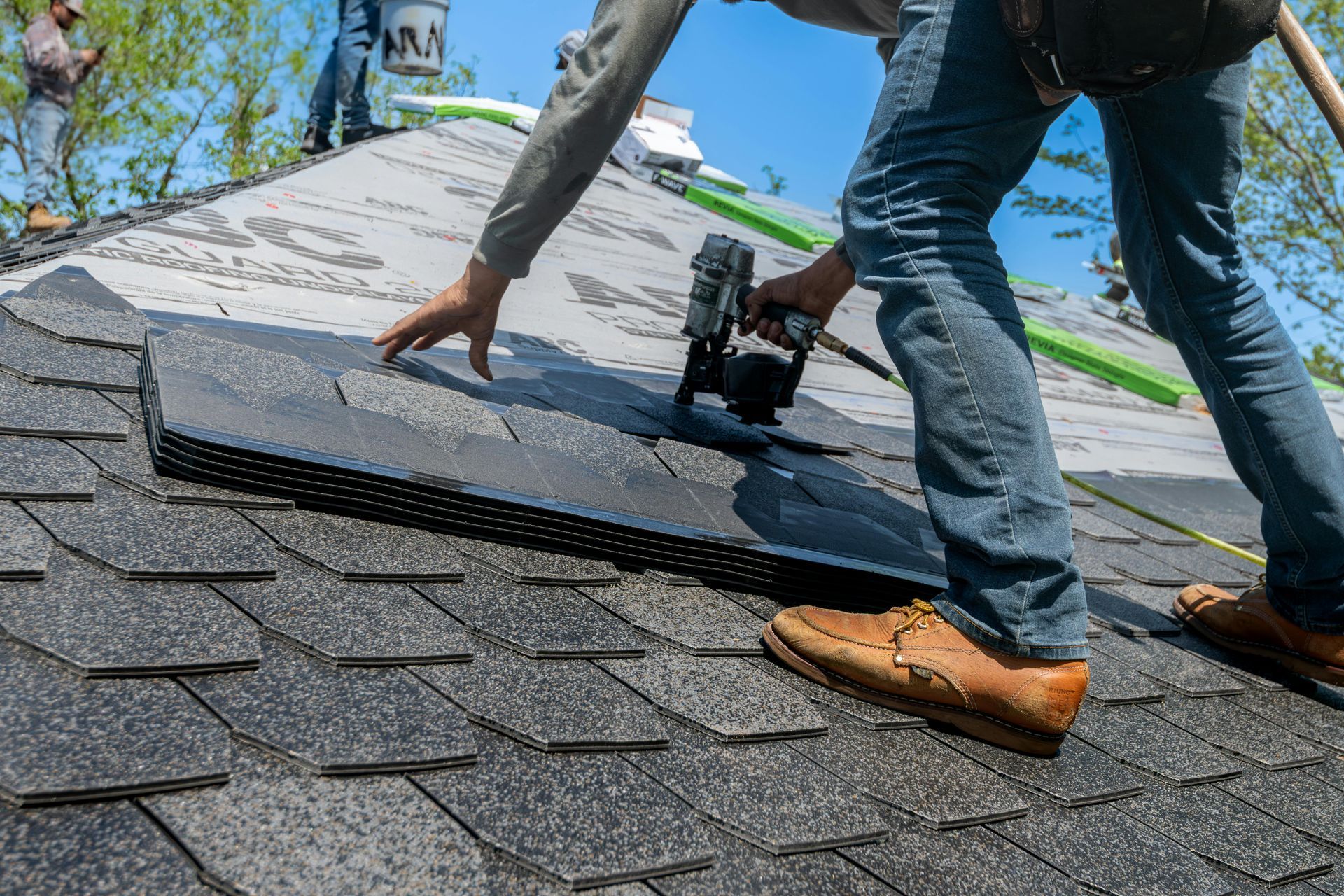

Why Class 4 Composite Roofs Are the Smart Choice for Texas Rental Properties
When you own or manage single-family homes, few maintenance items impact long-term costs more than the roof. Between hail, high winds, and heat, Texas roofs take a beating — and insurance claims can get expensive fast.
In the past, we commonly installed standard asphalt shingles (Class 1 or 2). They were cheaper up front and easy to source. But with the sharp increase in severe storms and hail events across Texas, those lower-rated roofs simply don’t hold up. The result? Higher insurance premiums, more frequent claims, and greater out-of-pocket repair costs.
That’s why many property owners — including our team — have shifted toward Class 4 composite roofs. While the initial investment is higher, the total cost of ownership over the roof’s lifespan is substantially lower.
What “Class 4” Means
Roofing materials are rated for impact resistance under the UL 2218 standard, which tests how well shingles hold up to hail and debris.
- Class 1 = least resistant
- Class 4 = highest resistance
A Class 4 rating means the roof can withstand the impact of a 2-inch steel ball dropped from 20 feet without cracking — roughly equivalent to a large hailstone.
For North Texas homeowners and landlords, that’s a major advantage, especially as hail frequency and size have trended upward in recent years.
What Is a Composite Roof?
A composite roof is made from a blend of materials such as asphalt, fiberglass, rubber, or polymers. These engineered shingles mimic the look of traditional slate, tile, or wood — but weigh less and perform better in extreme weather.
Common types include:
- Impact-resistant asphalt shingles
- Synthetic slate or shake
- Stone-coated steel panels
Composite roofs are designed to deliver the look of premium roofing materials without the weight, fragility, or maintenance headaches.
Why Property Owners Are Moving to Class 4 Composite Roofs
Here’s why more property investors and managers across Texas — ourselves included — are upgrading from lower-rated roofs:
- Hail & Impact Resistance – Withstands severe hail and debris impacts without cracking or losing granules.
- Wind Resistance – Typically rated for winds up to 120 mph or more.
- Insurance Discounts – Many insurers offer 20–30% premium reductions for Class 4 roofs.
- Long Lifespan – 30–60 years depending on product and installation.
- Lower Long-Term Cost – Fewer repairs, fewer claims, and longer replacement cycles.
- Curb Appeal – Enhances rental value and resale potential.
The Cost Equation Has Changed
For years, many investors preferred cheaper, lower-rated shingles because storms were less frequent and insurance premiums were manageable. That calculus has changed.
Today, with hailstorms causing billions in annual property losses and insurers tightening coverage or increasing deductibles, the old “cheap roof every 10 years” approach is no longer the most economical path.
A Class 4 composite roof, though 20–40% more expensive to install, often pays for itself through:
- Lower insurance premiums (often 20–30% savings annually)
- Fewer repair calls and claim filings
- Longer service life (often double that of standard shingles)
- Improved resale and tenant satisfaction
In property management, predictability is everything — and these roofs dramatically reduce the volatility of storm-related expenses.
Final Thoughts
A Class 4 composite roof is one of the smartest property upgrades you can make in Texas. It protects against hail, wind, and heat while improving long-term ROI — and your insurance company will likely reward you for it.
If you’re evaluating roof replacements across your rental portfolio, consider asking your contractor for Class 4-rated products certified under UL 2218. You’ll spend a bit more up front, but you’ll save significantly over time as weather patterns and insurance landscapes continue to shift.
Written by Kevin Martin, CEO of 2912 Real Estate Services.
We specialize in managing mid- to high-tier single-family and condo properties throughout Texas, helping owners protect and grow their investments through smart, cost-effective upgrades.